Africa Wildlife Safaris Tour Holiday Ideas
You can book our Africa safari tours and holiday ideas as they are or as part of a tailor-made itinerary. Just speak with our team.
-
3 Days Kenya Balloon Safari in Maasai Mara
This 3 Days Kenya Balloon Safari in Maasai Mara national reserve starts and ends in Kenya and it will offer you the best this Kenyan safari park.
-
3 Days Maasai Mara Safari Kenya (Great Migration)
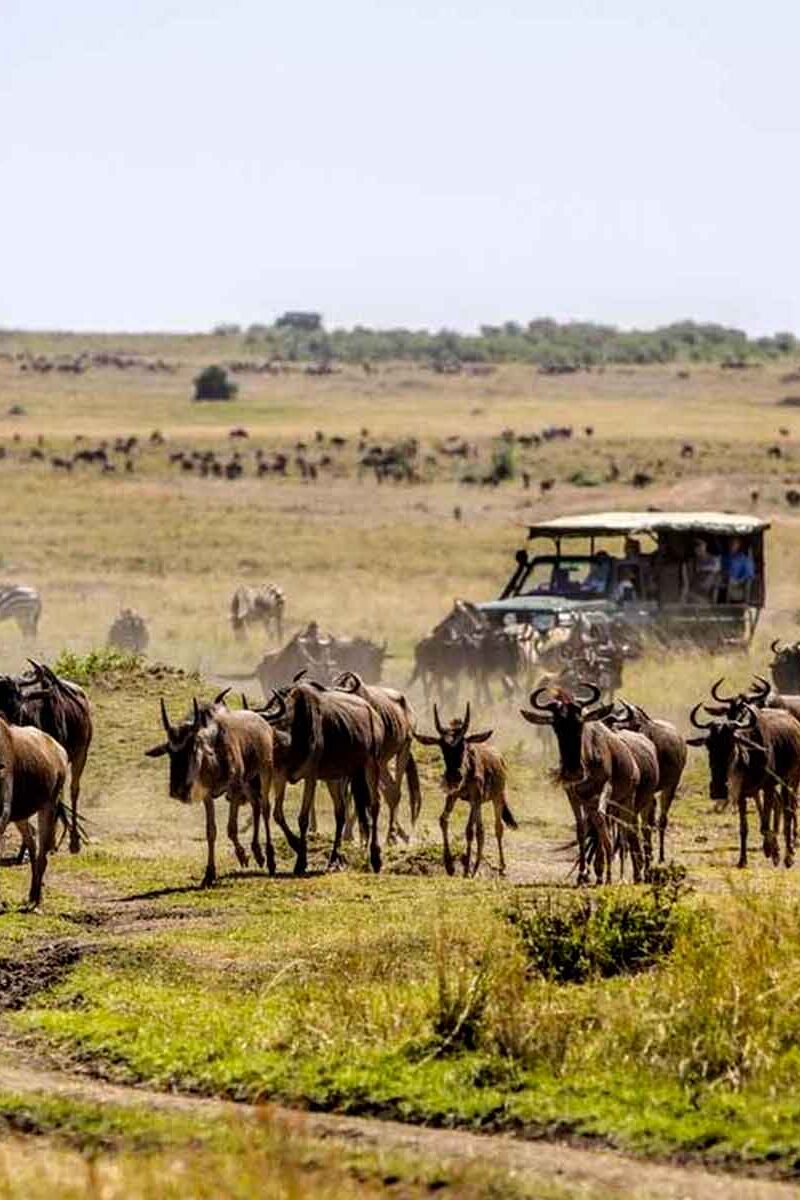
Let’s go adventure the great wildebeests’ migrations in Maasai Mara National Reserve on this 3 Days Maasai Mara Safari in Kenya with KC Safaris.
-
5 Days Masai Mara Kenya Wildlife Safari
5 Days Masai Mara Kenya Safari Wildlife Adventure to Maasai Mara National Reserve, Lake Nakuru National Park, and Naivasha Budget Midra.
-
3 Days Wildebeest Safari Tanzania Tour
For a quick safari, there are few better tours available than the 3 Days Wildebeest Safari Tanzania Tour – Lake Manyara, Ndutu Plains, and Ngorongoro.
-
4 Days Tanzania Wildlife Adventure Safari
In the 4 Days Tanzania Wildlife Adventure Safari we will cover the 3 most popular destinations in Tanzania – Tarangire National Park Tanzania.
-
5 Days Best of Tanzania Wildlife Adventure Safari
An exclusive lifetime adventure in Tanzania’s diverse wildlife is a worthwhile journey for an explorer. The 5 Days Best of Tanzania Wildlife Adventure.
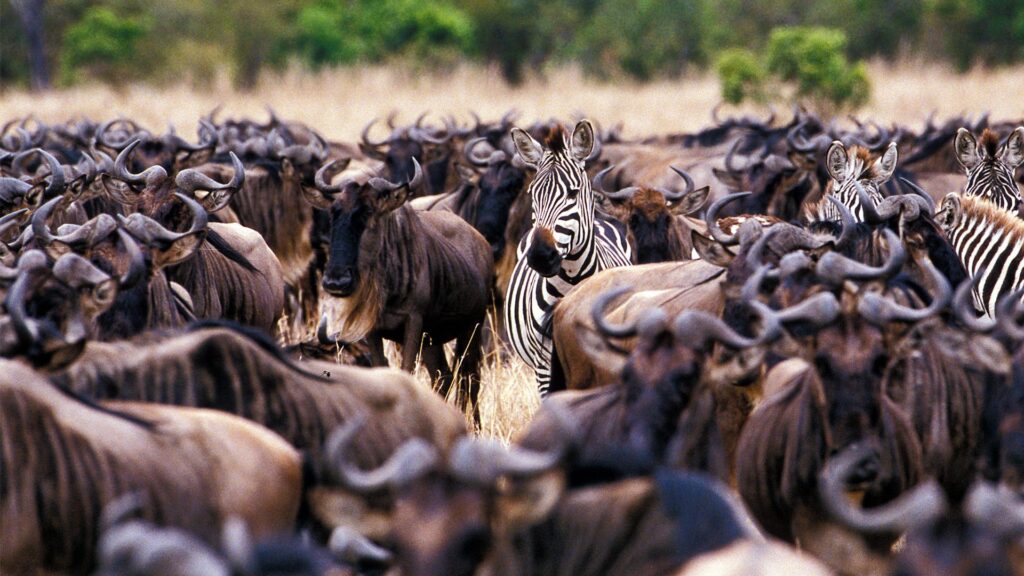
Tanzania: The Birthplace and Heart of the Great Migration
Tanzania forms the geographical foundation of the Great Wildebeest Migration, hosting the vast majority of this annual journey within the iconic Serengeti National Park and the surrounding Ngorongoro Conservation Area. The migration in Tanzania is a year-round phenomenon, with each season offering a radically different, captivating chapter of survival and renewal.
The Calving Season in the Southern Serengeti (January to March)
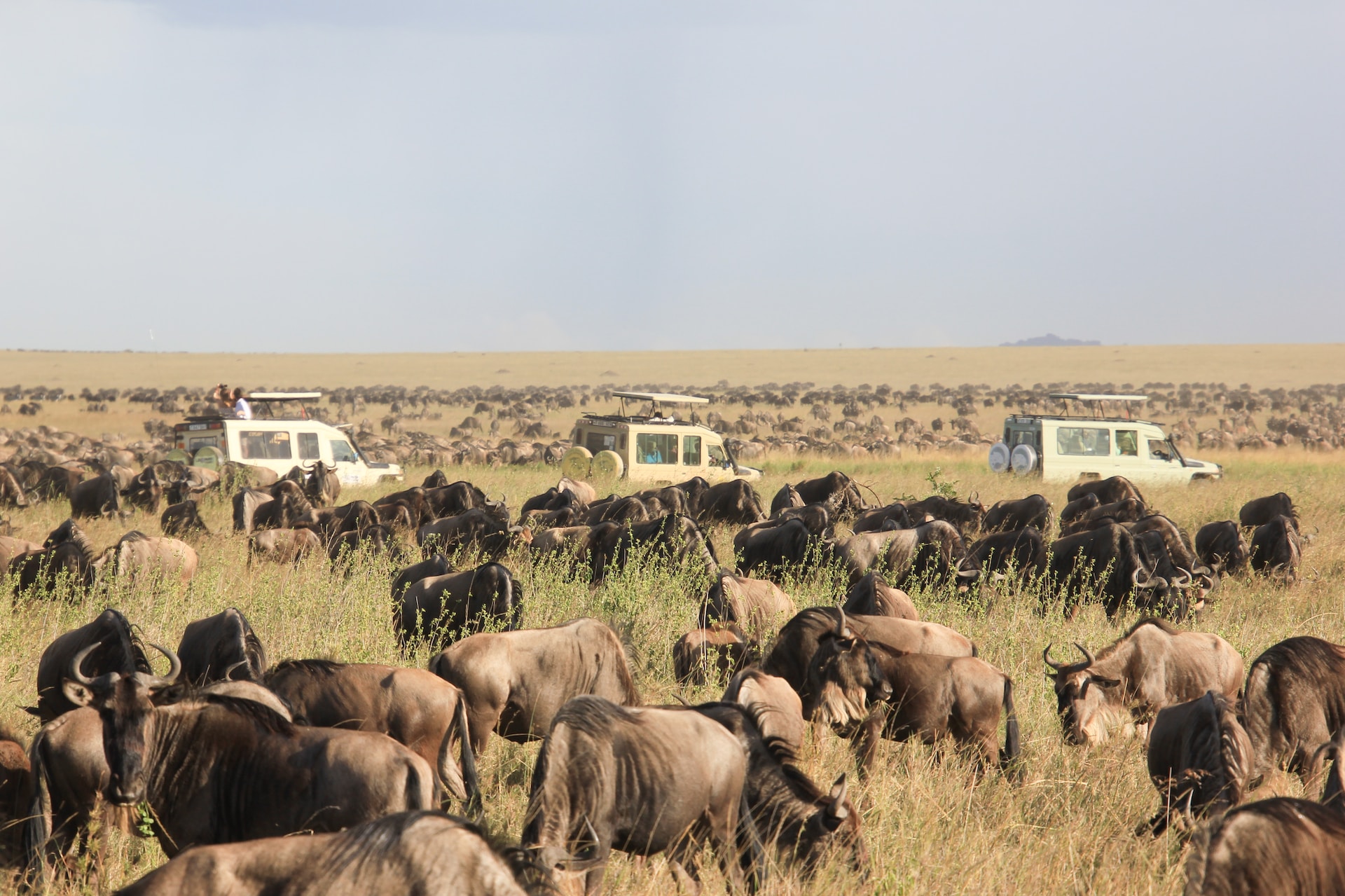
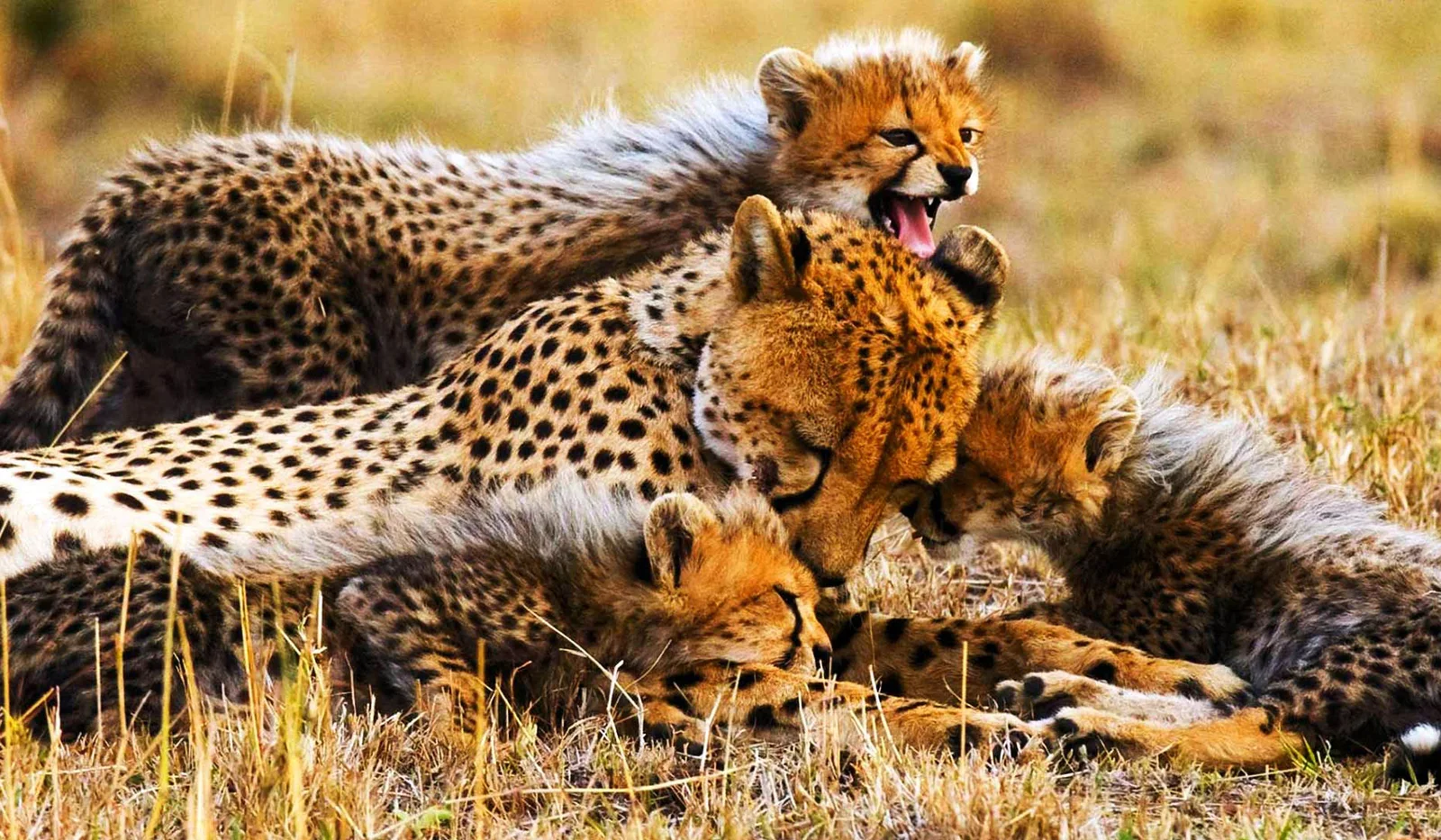
The journey begins in the nutrient-rich, short-grass plains of Ndutu and the southern Serengeti. Following the short rains, hundreds of thousands of wildebeest gather here to give birth in a synchronized biological marvel. Over a period of just three to four weeks, more than 8,000 wildebeest calves are born daily. This abundance of vulnerable young creates an intense hub of predator activity, attracting lions, cheetahs, leopards, hyenas, and jackals, making it an unmissable destination for high-drama wildlife viewing and predator-prey photography.
The Western Corridor and Grumeti River Crossings (May to July)
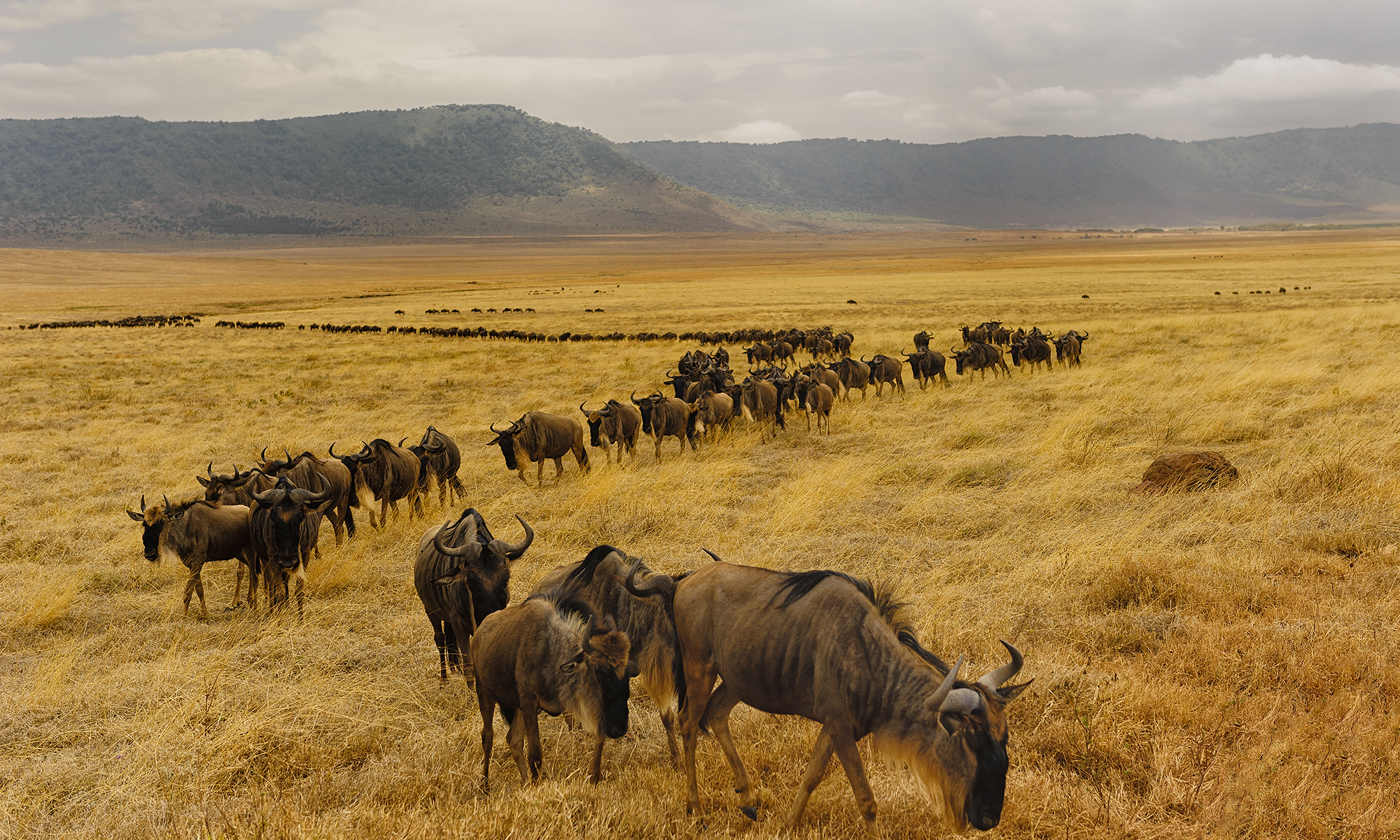
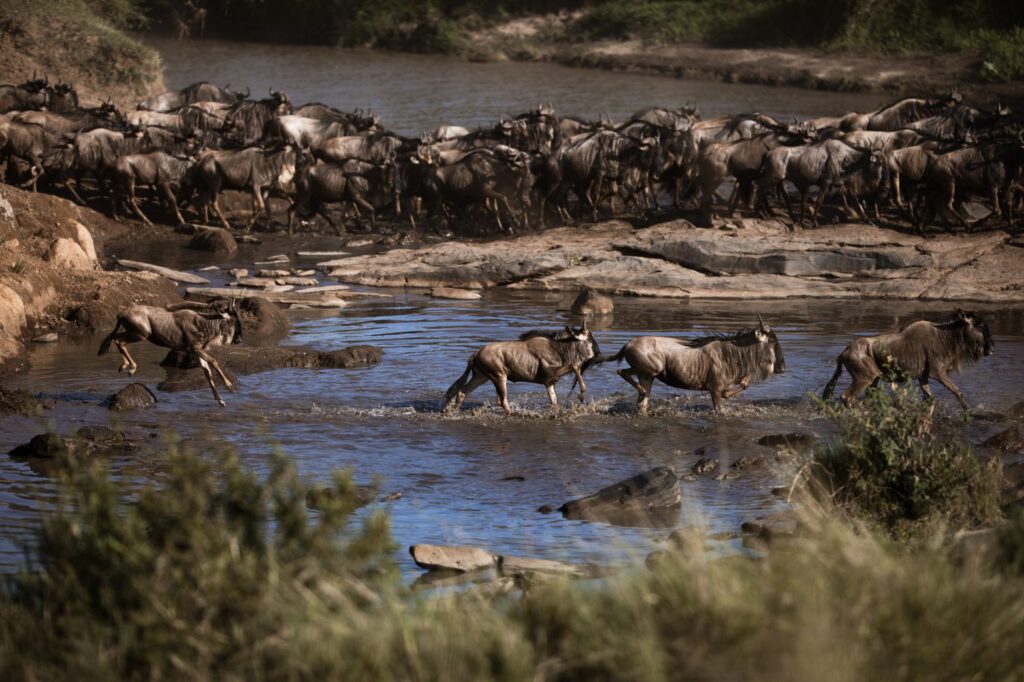
As the southern plains dry out in April and May, the massive herds consolidate into column formations stretching tens of kilometers long, moving northwest toward the Western Corridor. By June and July, the herds face their first major ecological hurdle: crossing the Grumeti River. Here, giant Nile crocodiles wait patiently in deep pools, setting the stage for heart-pounding survival encounters as the mega-herds plunge into the river currents.
The Northern Serengeti and Mara River Spectacle (July to October)
By late July and August, the migration reaches the northern Serengeti ecosystem. Here, the herds encounter the legendary Mara River—the ultimate barrier separating Tanzania from Kenya. Watching tens of thousands of frantic wildebeest leap off steep riverbanks into churning waters, braving swift currents and massive crocodiles while panicked calls echo through the valley, is widely considered the ultimate bucket-list moment in African wildlife safaris.
Kenya: The Dramatic Stage of the Maasai Mara
By August and September, the migrating herds cross the international boundary into Kenya’s world-famous Maasai Mara National Reserve and its surrounding private community conservancies. Though the Maasai Mara represents a smaller portion of the overall migration ecosystem compared to the Serengeti, it provides an extraordinarily dense, action-packed amphitheater for game viewing.
High-Density Wildlife Viewing in the Mara
During these dry-season months, the open, golden grasslands of the Maasai Mara are carpeted with vast concentrations of wildebeest and zebras. Because the animals are concentrated into a compact area, wildlife viewing is exceptionally rewarding. Kenya‘s premier big cat populations—including famous lion prides, agile cheetah coalition hunters, and solitary leopards—take full advantage of the abundant prey, offering safari guests front-row seats to daily survival battles.
Exclusive Conservancies and Cultural Immersion
Beyond the main reserve, Kenya’s private conservancies (such as Mara North, Naboisho, and Olare Motorogi) offer exclusive safari experiences during the migration season. Guests staying in these community-owned sanctuaries enjoy restricted vehicle numbers, off-road game tracking, night game drives, and walking safaris. Furthermore, these conservancies allow travelers to connect authentically with the local Maasai people, whose ancient pastoralist traditions and wildlife stewardship have protected these wild habitats for generations.
Extending the Migration Safari: Uganda’s Primate and Savannah Treasures
While the physical movement of the wildebeest herds does not extend into Uganda due to geographical barriers and dense rainforest ecosystems, Uganda serves as the ultimate safari extension, turning a classic savannah trip into a grand East African expedition. No wilderness journey across East Africa is complete without combining the sweeping plains of Kenya and Tanzania with the rich, emerald rainforests of the Pearl of Africa.
Mountain Gorilla Trekking in Bwindi Impenetrable Forest
After witnessing the raw, fast-paced energy of the Great Migration in the Mara or Serengeti, traveling to Uganda’s Bwindi Impenetrable National Park provides a serene, deeply emotional contrast. Trekkers hike through ancient, mist-shrouded rainforests to sit just meters away from endangered mountain gorillas. The quiet, intimate hour spent observing a silverback and his family offers a profound personal connection that perfectly balances the grand scale of the savannah migration.
Chimpanzees and Diverse Savannah Systems
Uganda also features Kibale National Park—the Primate Capital of the World—where travelers can track wild chimpanzee troops through the canopy. To complement primate encounters, Uganda’s savannah parks, such as Queen Elizabeth National Park (famous for its tree-climbing lions along the Ishasha sector and Kazinga Channel boat safaris) and Murchison Falls National Park (where the Nile plunges through a narrow gorge), offer peaceful, low-crowd Big Five game viewing that enriches any migration itinerary.
Rwanda: Luxury Infrastructure and Primate Conservation Excellence
Similarly to Uganda, Rwanda does not host the wildebeest herds, but it plays a crucial, high-end role in comprehensive East African Migration Safaris. Boasting world-class infrastructure, smooth travel logistics, and eco-luxury lodges, Rwanda provides a seamless gateway for discerning travelers wishing to combine migration viewing with premier primate tracking and conservation experiences.
Volcanoes National Park and High-End Primate Expeditions
Located just a short two-hour drive along smooth, paved highways from Kigali International Airport, Volcanoes National Park is internationally renowned for mountain gorilla and golden monkey tracking. For luxury travelers visiting Kenya or Tanzania for the Great Migration, flying into Rwanda offers a fast, comfortable, and world-class primate experience, supported by some of the most exclusive eco-lodges on the African continent.
Akagera National Park: A Conservation Triumph
For guests seeking a complete Rwandan circuit, Akagera National Park offers an inspiring story of conservation recovery. Featuring savannah plains, rolling hills, and papyrus-fringed lakes, Akagera is home to a thriving Big Five population (including lions and reintroduced black and white rhinos), providing a peaceful, scenic prelude or conclusion to an action-packed migration tour.
What Can You Expect on a Wildebeest Migration Safari?
A Great Wildebeest Migration safari is a multi-sensory adventure meticulously planned around natural wildlife movements. Guests embark on early-morning and late-afternoon 4×4 game drives in custom Land Cruisers equipped with pop-up roofs, charging ports, and onboard refreshment coolers. Led by expert safari guides with deep knowledge of animal behavior and radio communication networks, you will track herds, position vehicles safely near river crossing sites, and witness predator interactions. Midday hours are spent relaxing at luxury tented camps or eco-lodges situated along key migration corridors, enjoying gourmet meals, bush sundowners, and starry night skies filled with the sounds of the African wilderness.
Combining the Safari with Other Activities
The true magic of an East African safari lies in its versatility. A well-crafted Great Wildebeest Migration itinerary can be seamlessly integrated with a variety of secondary adventures:
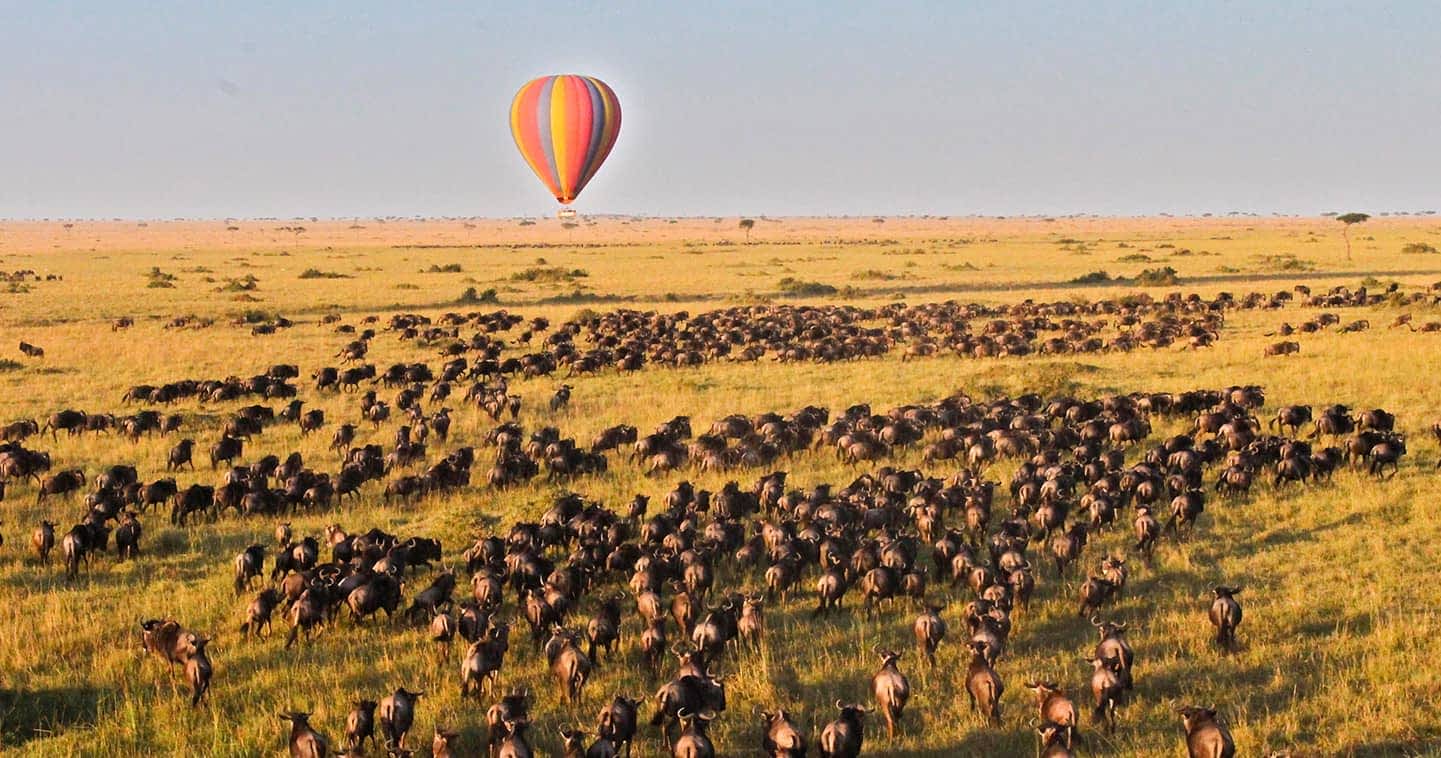
- Hot Air Balloon Safaris: Float silently above the Serengeti or Maasai Mara at dawn, taking in a breathtaking aerial perspective of thousands of wildebeest moving across the golden plains below, followed by a traditional champagne bush breakfast.
- Cultural Encounters: Engage in respectful, educational cultural exchanges with the Maasai in Kenya and Tanzania, the Batwa forest elders in Uganda, or community-led cultural villages in Rwanda.
- Tropical Beach Extensions: After days of dusty savannah drives and jungle trekking, conclude your holiday relaxing on the turquoise shores and white sand beaches of Zanzibar, Diani Beach, or the peaceful waters of Lake Kivu and Lake Bunyonyi.